- Farm ponds constructed
- 6Farm ponds constructed
- Women SHG members & leaders trained
- 120Women SHG members & leaders trained
- Students receiving academic support
- 200Students receiving academic support
- Rainwater storage created
- ~9,000 m³Rainwater storage created
- Anti-malaria drive coverage
- 28 villagesAnti-malaria drive coverage
During Quarter 1 of 2026-27, AJKA established the foundation of the Integrated Village Development Programme in Balisankara Aspirational Block, combining water conservation, women’s livelihood development, remedial education and preventive healthcare with community participation and government convergence.
The programme is implemented with support from LTM and works in convergence with the District and Block Administrations, line departments, Panchayati Raj Institutions and community-based institutions.
The challenge
Rural communities in Balisankara face interconnected development challenges that require an integrated response rather than isolated interventions.
For farming households, water security and vulnerability to climate variability affect agricultural productivity and livelihood resilience. Women SHG members require stronger technical, entrepreneurial and financial capabilities to translate local resources into sustainable livelihood opportunities. School children face learning gaps, while seasonal malaria requires stronger community-level preventive action.
The programme therefore brings together climate-resilient agriculture, women’s economic empowerment, education and preventive community healthcare, supported by institutional convergence and community ownership.
How the programme works
Water conservation & climate-resilient agriculture
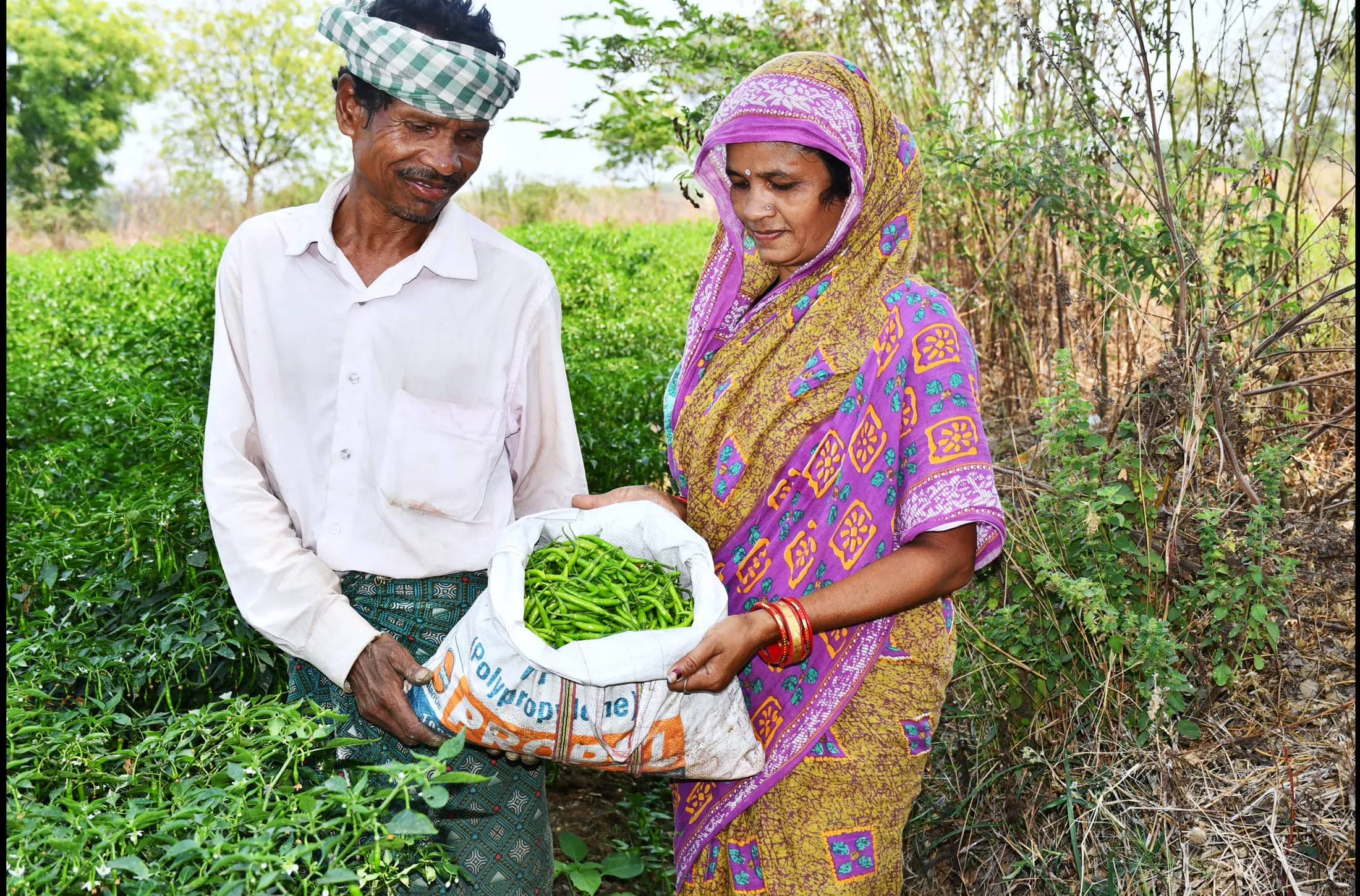
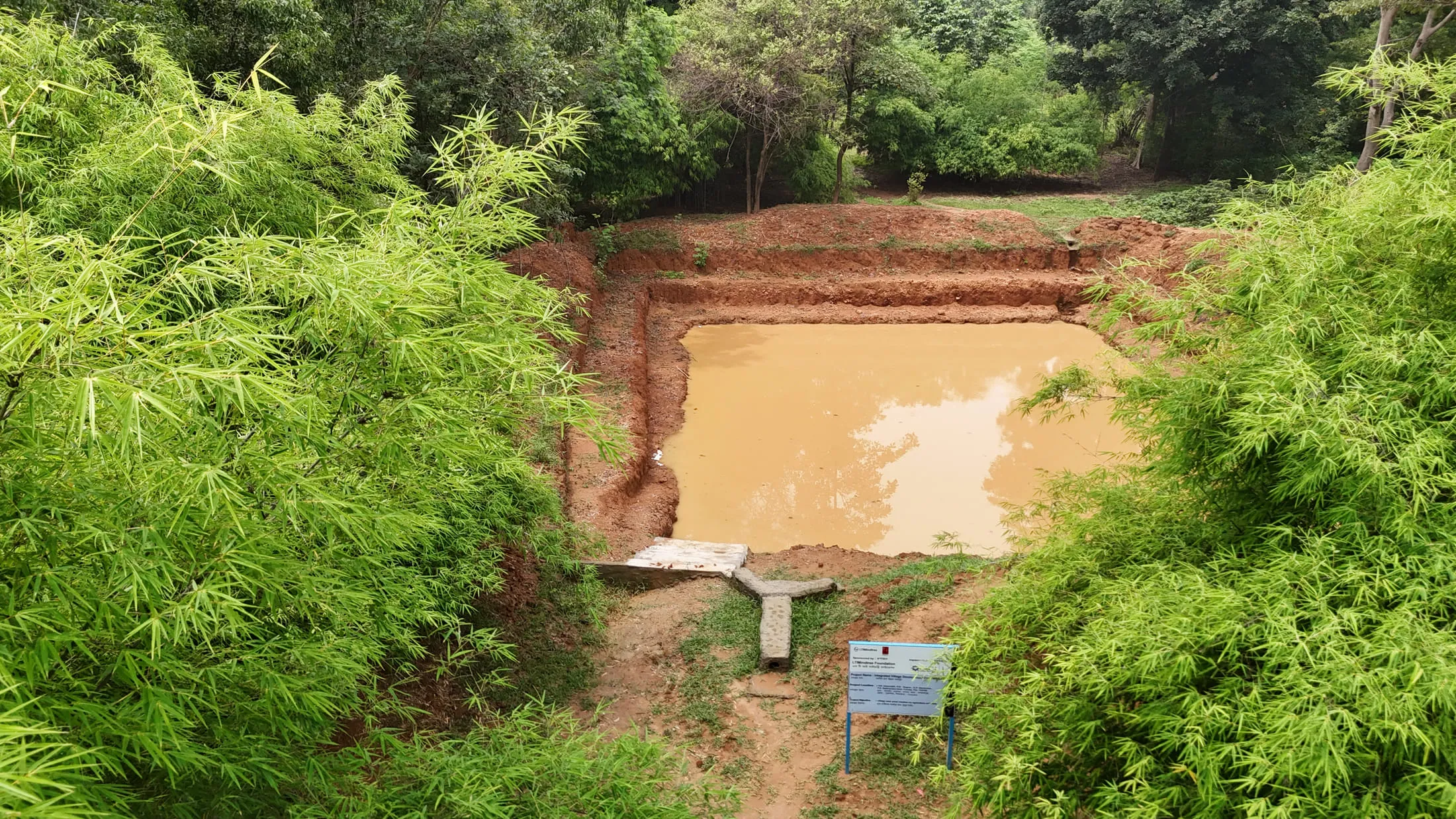
During Quarter 1, the programme constructed six scientifically designed farm ponds across five project villages. Together these structures created approximately 9,000 cubic metres of rainwater-storage capacity, developed protective irrigation potential for around 44 acres of agricultural land, and directly benefited 64 farming households.
The intervention is designed to improve groundwater recharge, strengthen water security and increase the resilience of smallholder farmers to climate variability.
Women’s livelihoods & financial inclusion
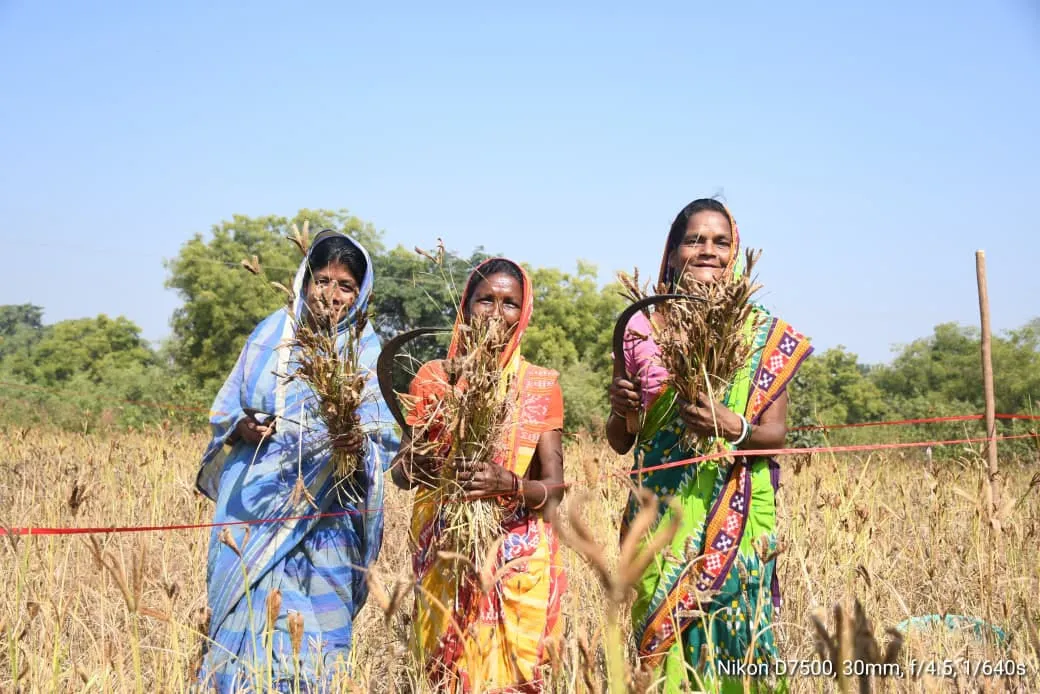
The programme trained 120 women SHG members and leaders through capacity-building covering millet and chilli processing, value addition, entrepreneurship and financial literacy. Participants gained knowledge in enterprise development, digital financial services, household financial management and access to Government welfare schemes.
The interventions were undertaken in convergence with the Agriculture Department, Mission Shakti and financial institutions.
Remedial education
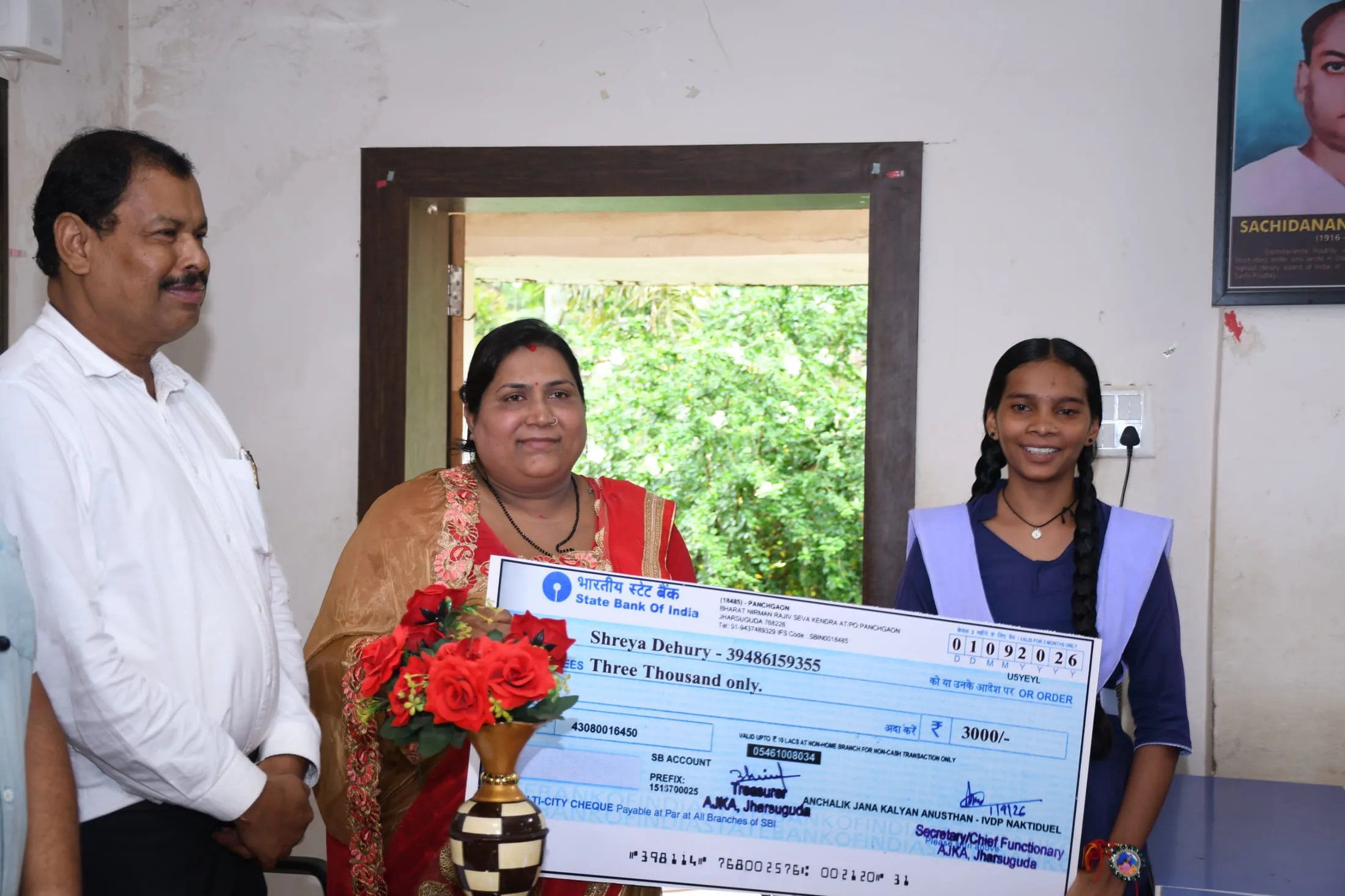
A Remedial Coaching Centre at Bandhbahal High School was established to address learning gaps among school students. Approximately 200 students are receiving structured academic support in Mathematics, Science and English, designed to strengthen foundational competencies, academic performance, confidence and school retention.
The programme works collaboratively with teachers, the School Management Committee and the Education Department to create a supportive learning environment.
Preventive healthcare & malaria control
The programme launched a block-wide Anti-Malaria Fumigation Drive as part of its preventive public-health interventions. Fumigation machines were handed over to PRI representatives, enabling malaria-prevention activities across 28 villages in five Gram Panchayats.
The campaign involves the Block Administration, Health Department, Mission Shakti, PRIs, ASHA workers, Anganwadi workers and community volunteers. It strengthens community-led vector control, environmental sanitation, malaria awareness and preparedness during the monsoon season.
Institutional convergence & community participation
Institutional convergence is a cross-cutting component. AJKA works with the District Administration, Balisankara Block Administration, Agriculture, Horticulture, Health, Education, ICDS, Mission Shakti and Panchayati Raj Institutions, alongside women’s SHGs and other community institutions.
Regular coordination, joint planning and technical guidance help connect project interventions with existing public systems while strengthening community ownership.