- Farm ponds constructed
- 5Farm ponds constructed
- Water storage created
- 75 lakh litresWater storage created
- Soil samples collected
- 1,000Soil samples collected
- Agricultural land supported
- 75 acresAgricultural land supported
- Women trained in financial literacy
- 50Women trained in financial literacy
AJKA’s IVDP in Naktideul combines water security, soil-health management, financial literacy and remedial education across Kisinda and Panimura Gram Panchayats. The programme is designed as an integrated village-development intervention, linking climate-resilient agriculture with improved water access, evidence-based farming, financial inclusion, and educational and health support.
The challenge
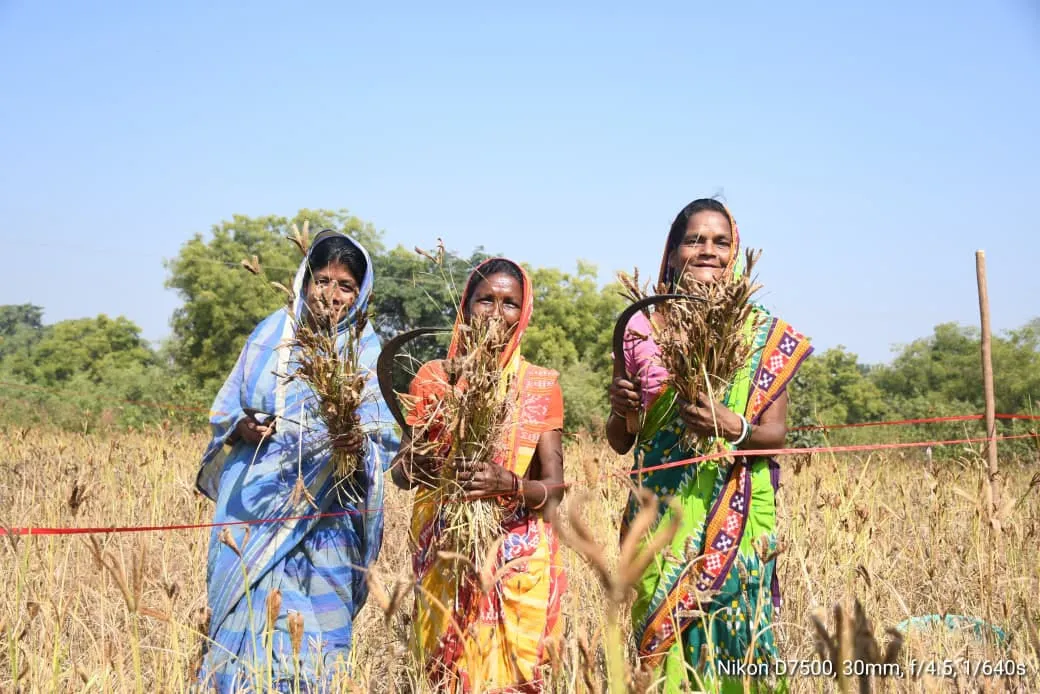
Naktideul is predominantly agrarian — more than 80% of households depend on agriculture for their livelihood.
Farming has historically been constrained by inadequate irrigation, dependence on monsoon rainfall, dry spells and declining groundwater levels, limiting cultivation largely to a single monsoon crop. At the same time, farmers often make nutrient-management decisions without scientific information on soil conditions, women require stronger access to formal financial systems, and school students face learning gaps that need additional academic support.
How the programme works
Water conservation & climate-resilient agriculture
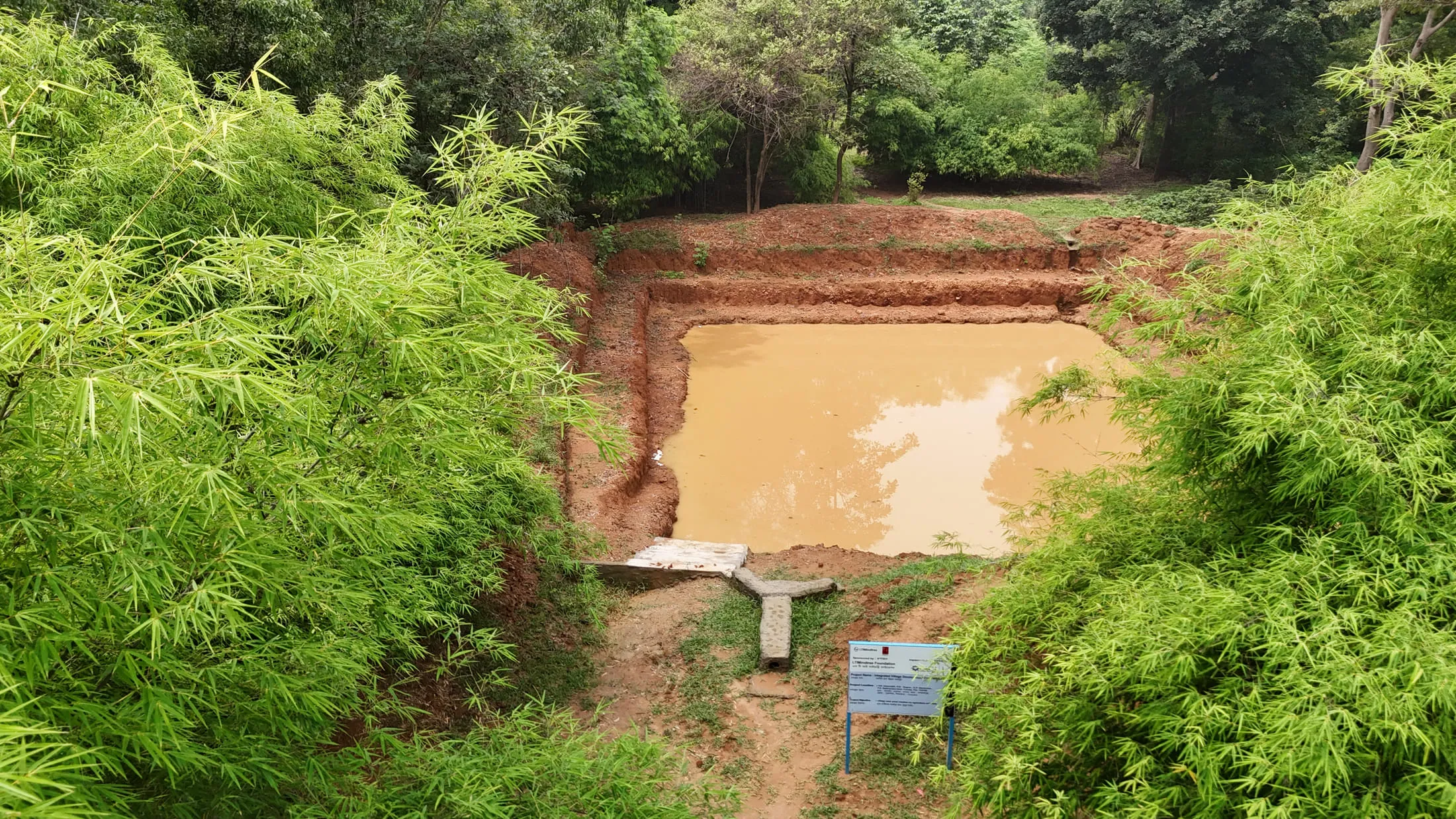
During Quarter 1 of 2026-27, five farm ponds were constructed in Kisinda, Loising, Podamal, Hiraloi and Badbahal villages under Kisinda and Panimura Gram Panchayats.
Each pond measures approximately 25 m × 20 m × 3 m with a storage capacity of around 1,500 cubic metres, or 15 lakh litres. Together the five ponds create approximately 7,500 cubic metres — 75 lakh litres — of water-storage capacity and support around 75 acres of agricultural land.
The ponds are designed to harvest rainwater, support Rabi and summer irrigation, improve groundwater recharge and reduce dry-season water stress.
Scientific agriculture & soil health
The programme collected 1,000 soil samples under the Soil Health Cards Initiative during Quarter 1.
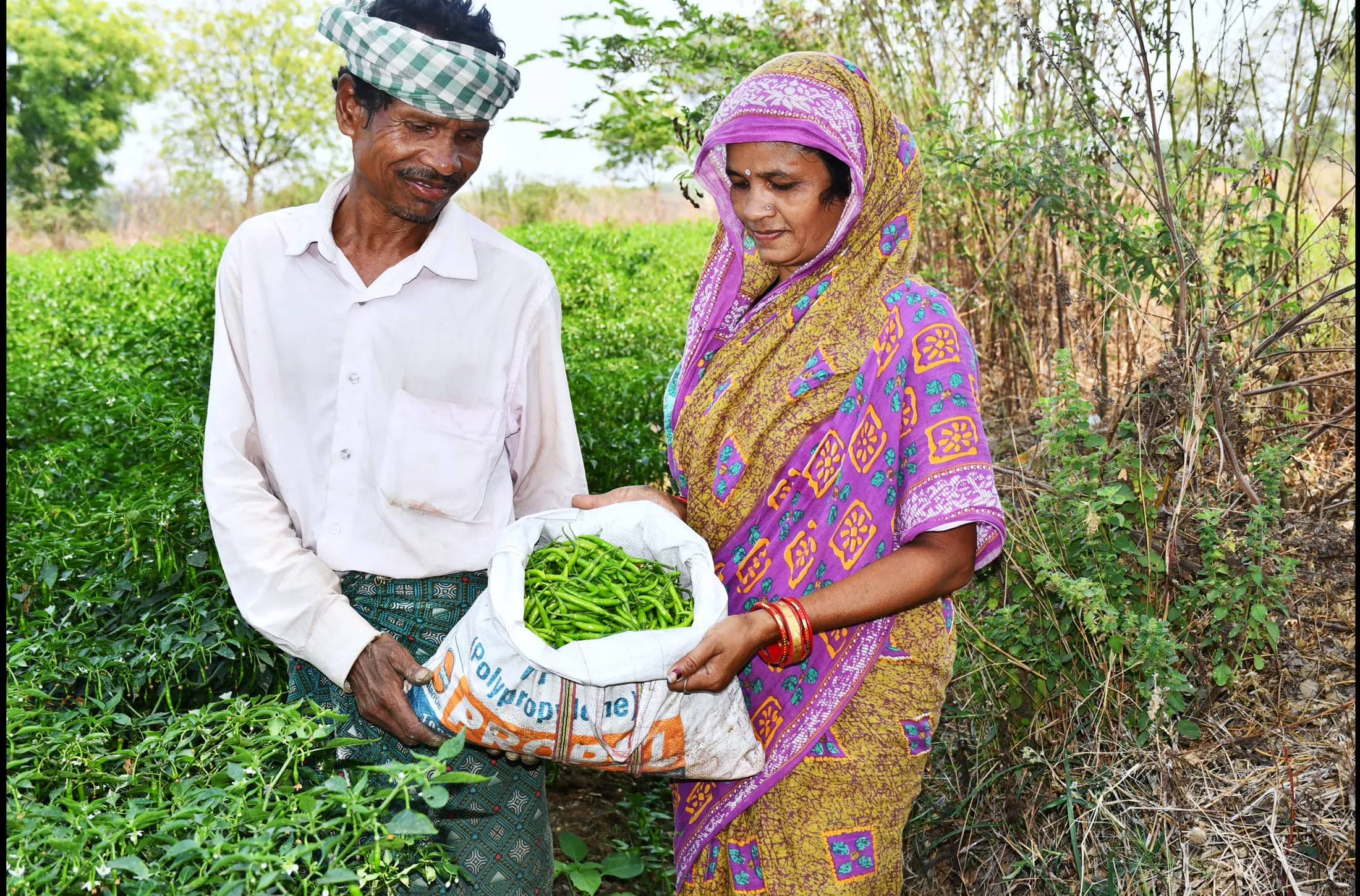
Farmers and Community Resource Persons participated in the process, alongside awareness activities on soil testing, balanced nutrient management and judicious fertiliser use. Soil Health Cards are generated from laboratory analysis. The intervention supports crop-specific nutrient management, improves soil fertility, optimises input costs and encourages evidence-based farming decisions.
Women’s financial inclusion
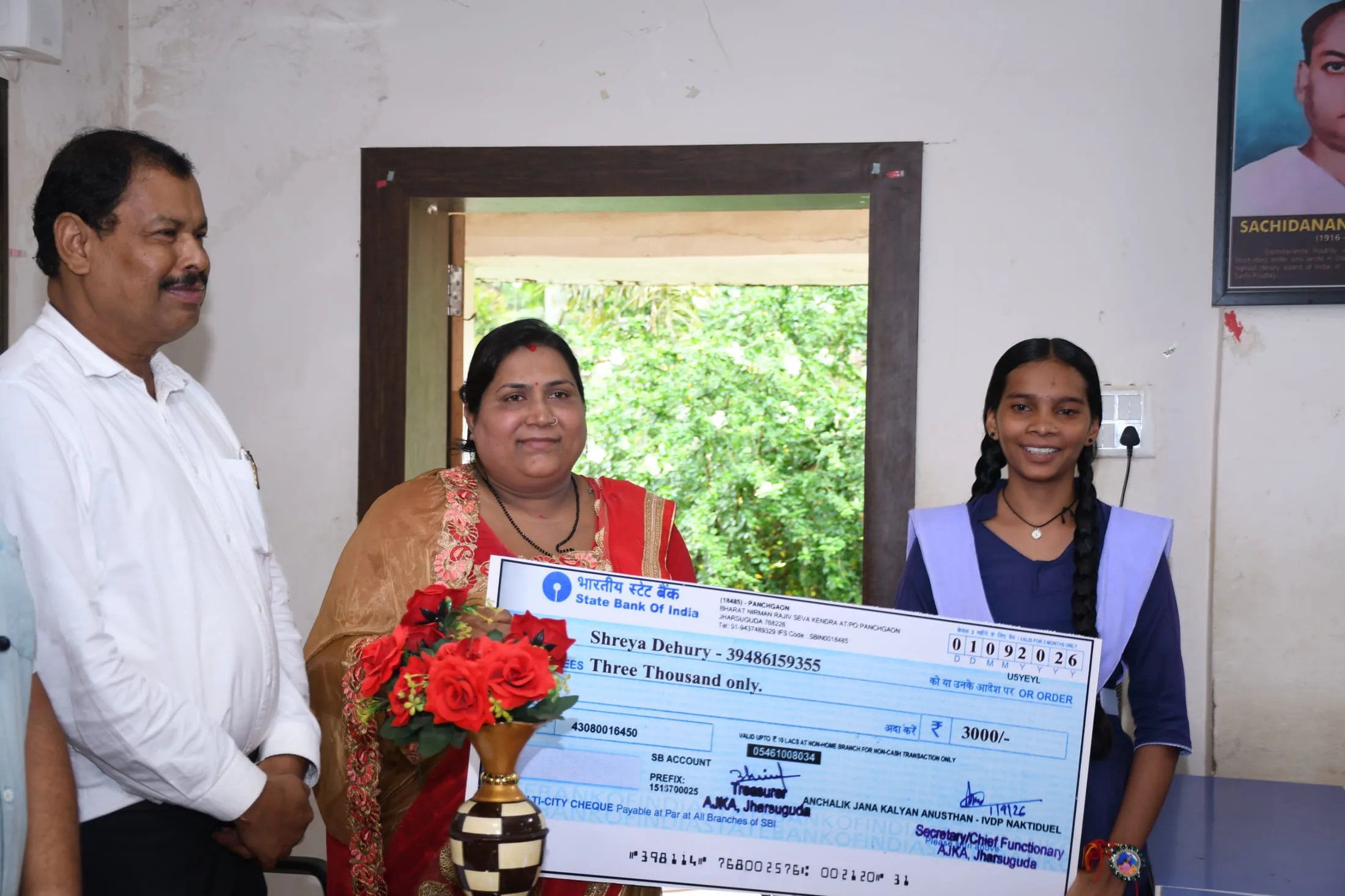
A Financial Literacy Training programme was organised for 50 women SHG participants. Sessions covered banking services, digital transactions, savings, credit management, insurance and government financial-inclusion schemes — helping women build confidence in managing household finances and accessing formal financial services.
Remedial education
To address learning gaps, the programme established a Remedial Coaching Centre at Kisinda High School in collaboration with the Education Department. The centre provides structured academic support in Mathematics, Science and English, supported by continuous mentoring and community involvement, to strengthen foundational learning, student confidence, academic performance and continued school participation.
What we have learned
The programme illustrates the value of combining physical infrastructure with knowledge, institutions and human-development interventions.
Water conservation creates the productive base for agriculture, soil testing supports better farm decisions, financial literacy strengthens women’s economic agency, and remedial education addresses learning gaps among children. Together these interventions create a more complete rural-development pathway than any one activity could achieve alone.