- Villages covered
- 84Villages covered
- Households reached
- 24,306Households reached
- Population reached
- 1,15,465Population reached
- Farm ponds established
- 15Farm ponds established
- People reached through health screening
- 22,570People reached through health screening
The programme covers 42 villages each in Lakhanpur and Balarampur, reaching 7,638 households and 31,833 people in Lakhanpur, and 16,668 households and 83,632 people in Balarampur.
The challenge
Rural households in the programme areas face interconnected challenges around water security, agricultural resilience, livelihood opportunities, and access to quality education, health and nutrition. Small and marginal farmers, landless households, women, children and other vulnerable groups are particularly affected when these challenges reinforce one another.
IVDP therefore addresses development at the village and household level as an interconnected system, rather than treating agriculture, livelihoods, education or health as isolated issues. The programme combines community participation, institutional strengthening and convergence with government programmes to build solutions that can be sustained locally.
How the programme works
IVDP works through four interconnected pillars: Environment, Empowerment, Inclusive & Quality Education, and Health & Nutrition.
Environment
The programme strengthens the natural-resource base on which rural livelihoods depend through water conservation, irrigation, soil-health management, climate-resilient agriculture, crop diversification and agroforestry.
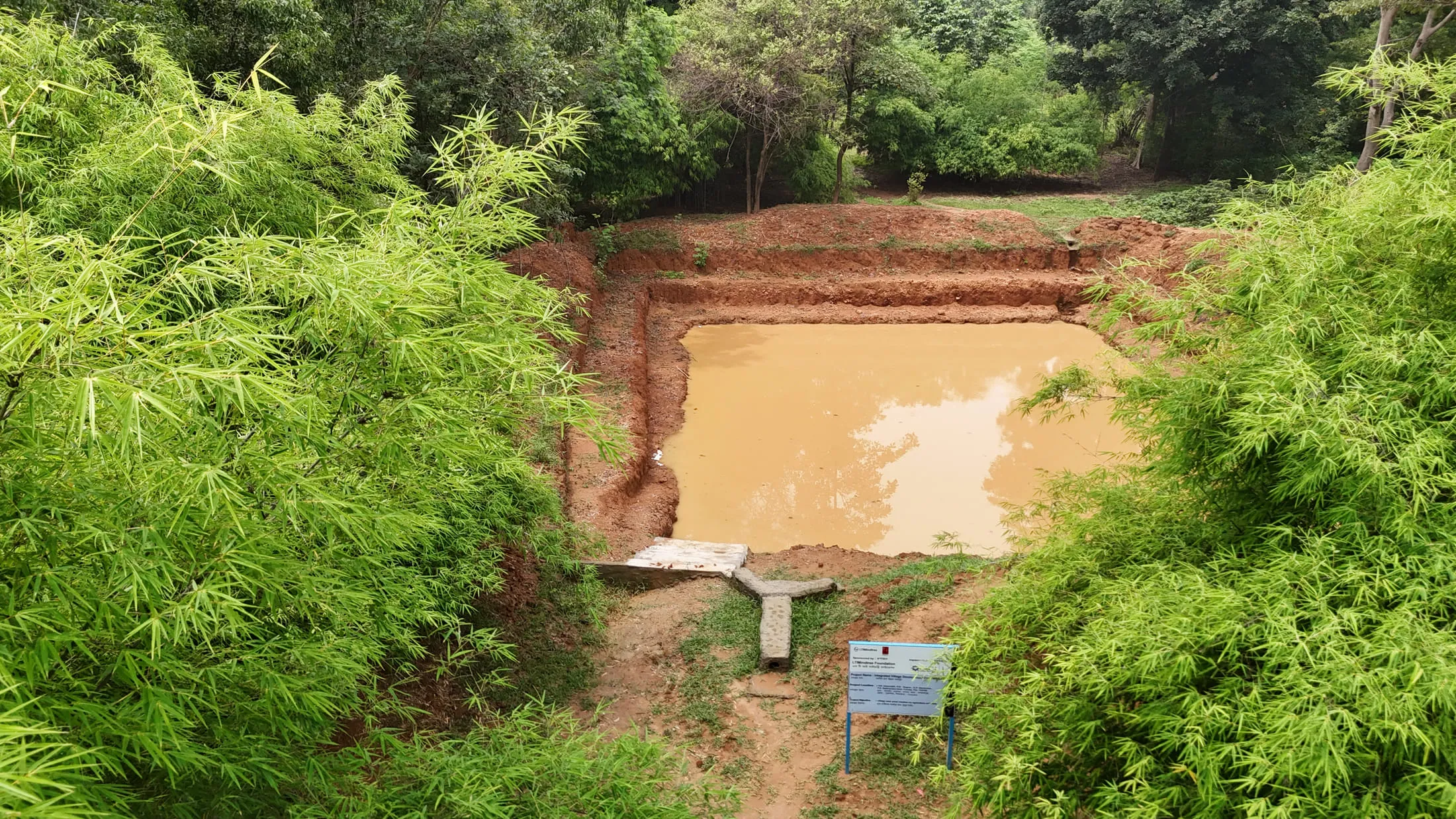
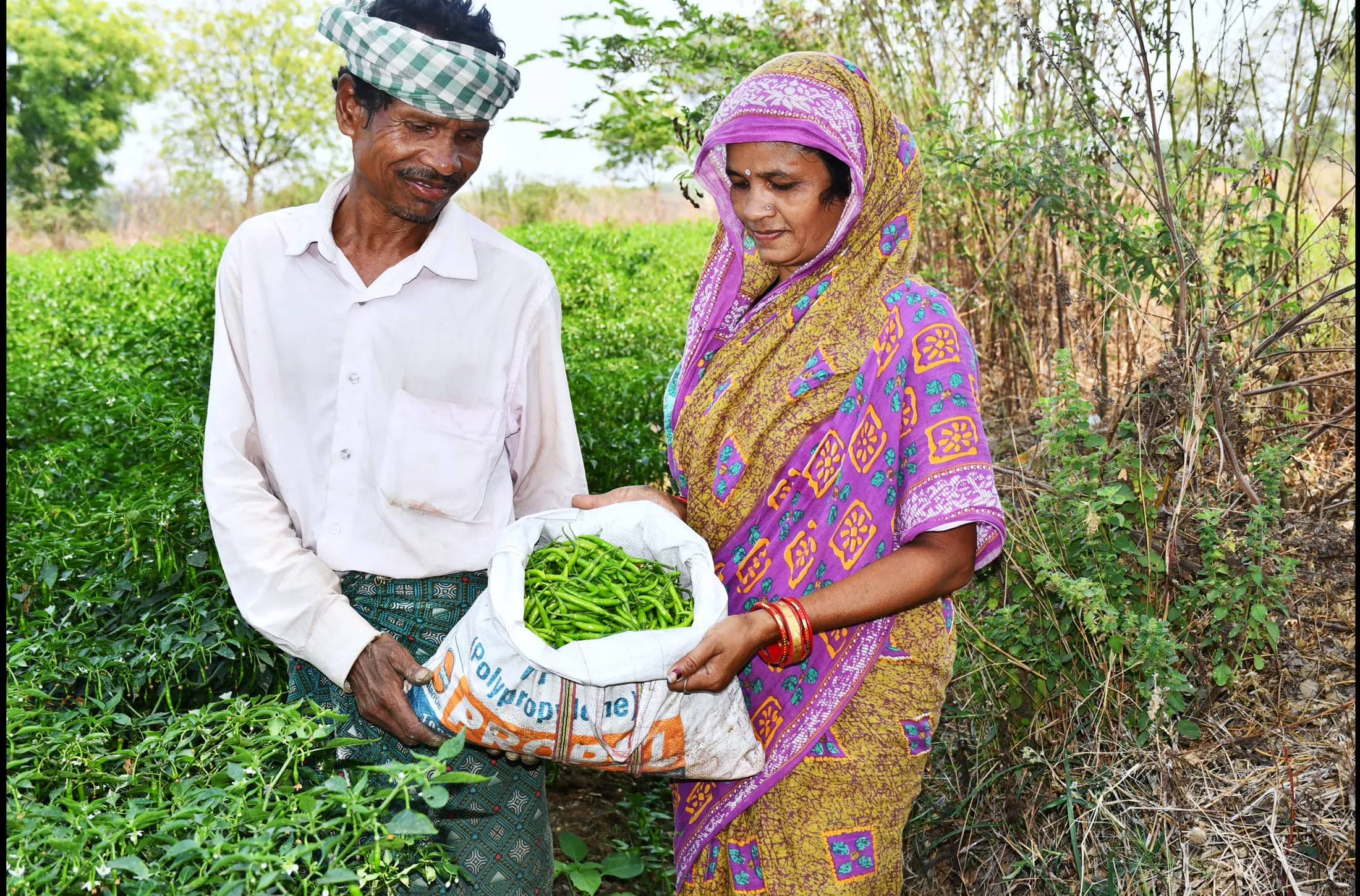
During 2025-26, 15 farm ponds were established across the two programme locations. In Balarampur, 10 farm ponds created irrigation potential across approximately 328 acres, benefiting 572 farmers. The programme also promoted solar and drip irrigation, sensitised 4,000 farmers on soil health and distributed 20,000 Amrapali mango saplings for agroforestry. In Lakhanpur, 250 acres were brought under diversified ginger, chilli and mustard cultivation.
Empowerment
IVDP strengthens women, farmers and community institutions through skills, productive assets, enterprise development, financial inclusion and market linkages.
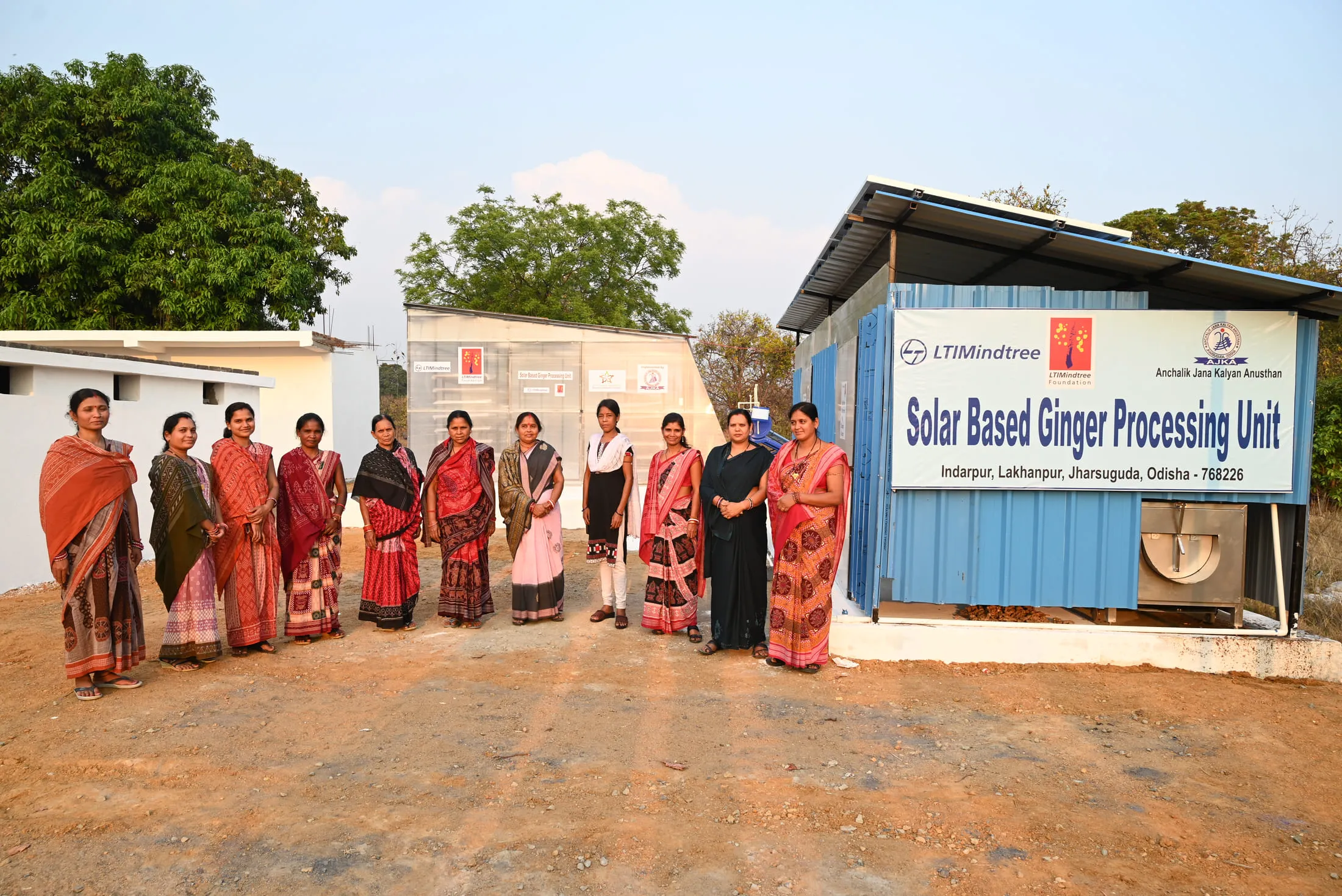
In Lakhanpur, 100 women farmers received training and inputs for mushroom cultivation, while 30 farmers were trained in scientific fish farming. 225 women SHG members received financial literacy training. Women-led enterprises in beekeeping, mushroom cultivation, jute and bakery activities created additional livelihood opportunities across the programme areas.
Community-owned infrastructure is also central to the approach. A Farmers Interest Group manages an Agri-Equipment Bank in Balarampur, while the 1,000 sq. metre polyhouse at Indarpur in Lakhanpur has an annual capacity of up to 12 lakh saplings and generated ₹1.65 lakh through external market sales during the year.
Education
The education component combines scholarships, remedial learning, school infrastructure and early childhood development to improve both access and learning opportunities.
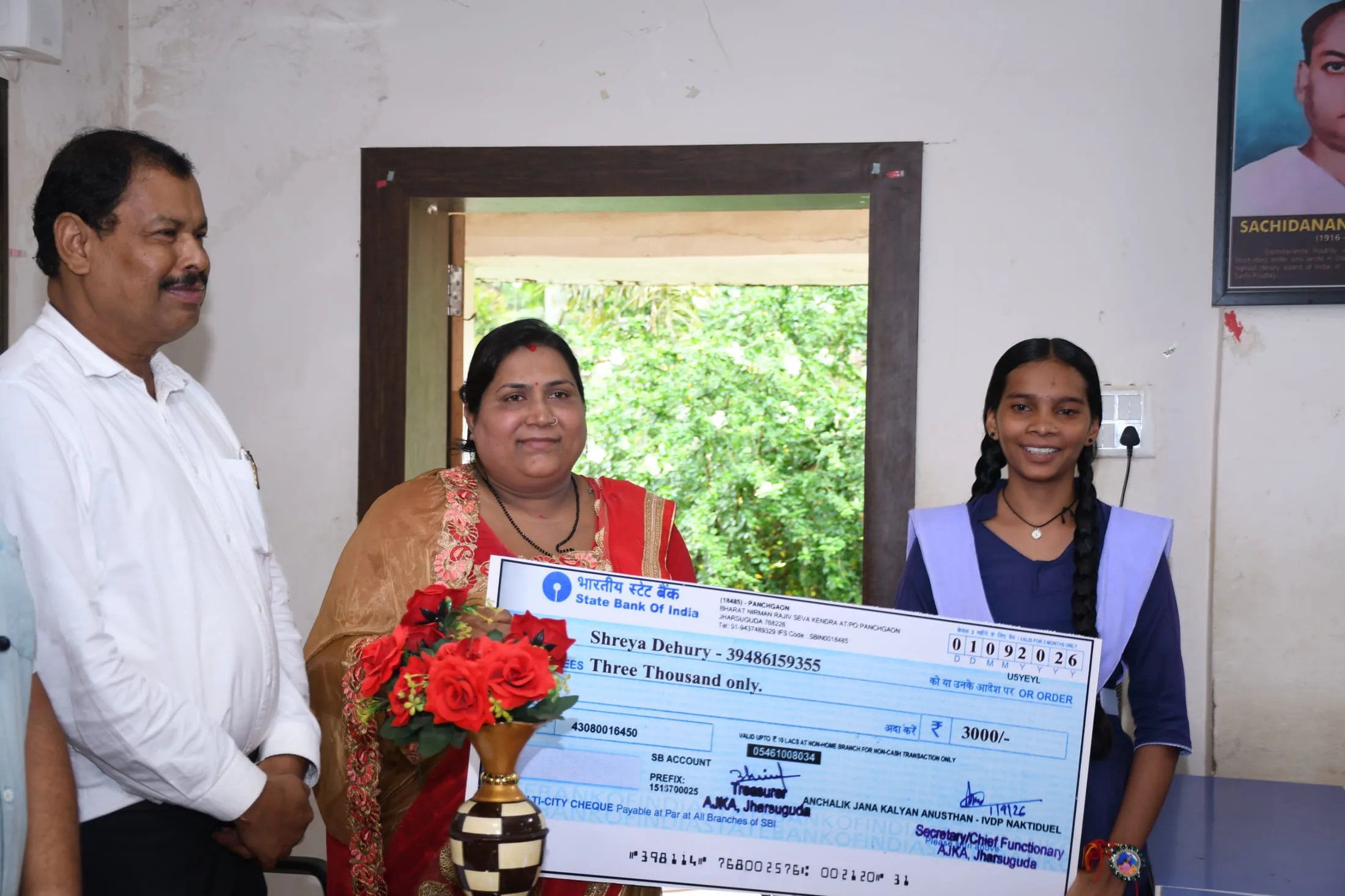
During 2025-26, 250 students received scholarships worth ₹7.5 lakh, while 600 students received remedial coaching. School infrastructure improvements benefited approximately 1,600 students, and two Smart Anganwadi Centres were developed in Balarampur to provide improved early-learning environments.
Health & nutrition
IVDP follows a preventive, community-based approach combining health screening, referral, nutrition awareness, kitchen gardens and support for vulnerable households.
Health screening reached 22,570 people across Lakhanpur and Balarampur. In Balarampur, 2,660 people identified with abnormal diabetes or hypertension readings received counselling and referrals. In Lakhanpur, 200 households were supported to establish kitchen gardens, while 737 vulnerable households across the two locations received ration assistance.
Impact at a glance
Reported IVDP achievements for 2025-26:
- 15 farm ponds established
- 20,000 mango saplings distributed
- 4,000 farmers sensitised on soil health
- 225 women trained in financial literacy
- 600 students supported through remedial coaching
- 250 students received scholarships
- 22,570 people reached through health screening
- 200 households supported with kitchen gardens
What we have learned
The experience of IVDP shows that integrated interventions create greater value because water, agriculture, livelihoods, education and health influence one another. Community ownership is equally important, particularly where SHGs, producer institutions and community-managed assets are expected to continue beyond direct project support.
The programme has also demonstrated the importance of women-led economic initiatives and convergence with PRIs, government departments, schools, Anganwadi Centres and health institutions in creating more sustainable outcomes.