- Area covered in FY 2025-26
- 300 haArea covered in FY 2025-26
- Blocks covered
- 5Blocks covered
- Annual target achieved
- 100%Annual target achieved
The FY 2025-26 performance table records 300 hectares of DSR coverage across five blocks, achieving the annual physical target in full.
The intervention is implemented by the Department of Agriculture, Government of Odisha under the state-sector sub-scheme Promotion of Improved Packages of Practices, with AJKA engaged as the facilitating agency for farmer mobilisation, training, implementation support and monitoring.
The challenge
Paddy cultivation remains an important livelihood across Jharsuguda district, but conventional puddled transplanted rice cultivation is labour-intensive, water-demanding and costly.
These production constraints create particular challenges where labour availability is limited or water resources are under pressure. The DSR intervention responds by promoting a mechanised cultivation method designed to reduce dependence on labour-intensive transplanting while encouraging more efficient water use and climate-resilient rice production.
How the programme works
Farmer & land selection
Implementation begins with the participatory identification of farmers and suitable land patches.
AJKA works with Krushak Sathis, Village Agricultural Workers, Agriculture Officers and PRI representatives to identify appropriate farmers and locations. The programme follows a cluster-based approach, with operational patches generally covering more than 10 hectares.
Farmer training & capacity building
Farmers receive orientation and practical guidance on the DSR production system before and during cultivation. Capacity-building focuses on the adoption of Direct Seeded Rice practices and Integrated Weed Management, helping farmers understand the technical requirements of the system and manage field-level challenges more effectively.
Mechanised sowing
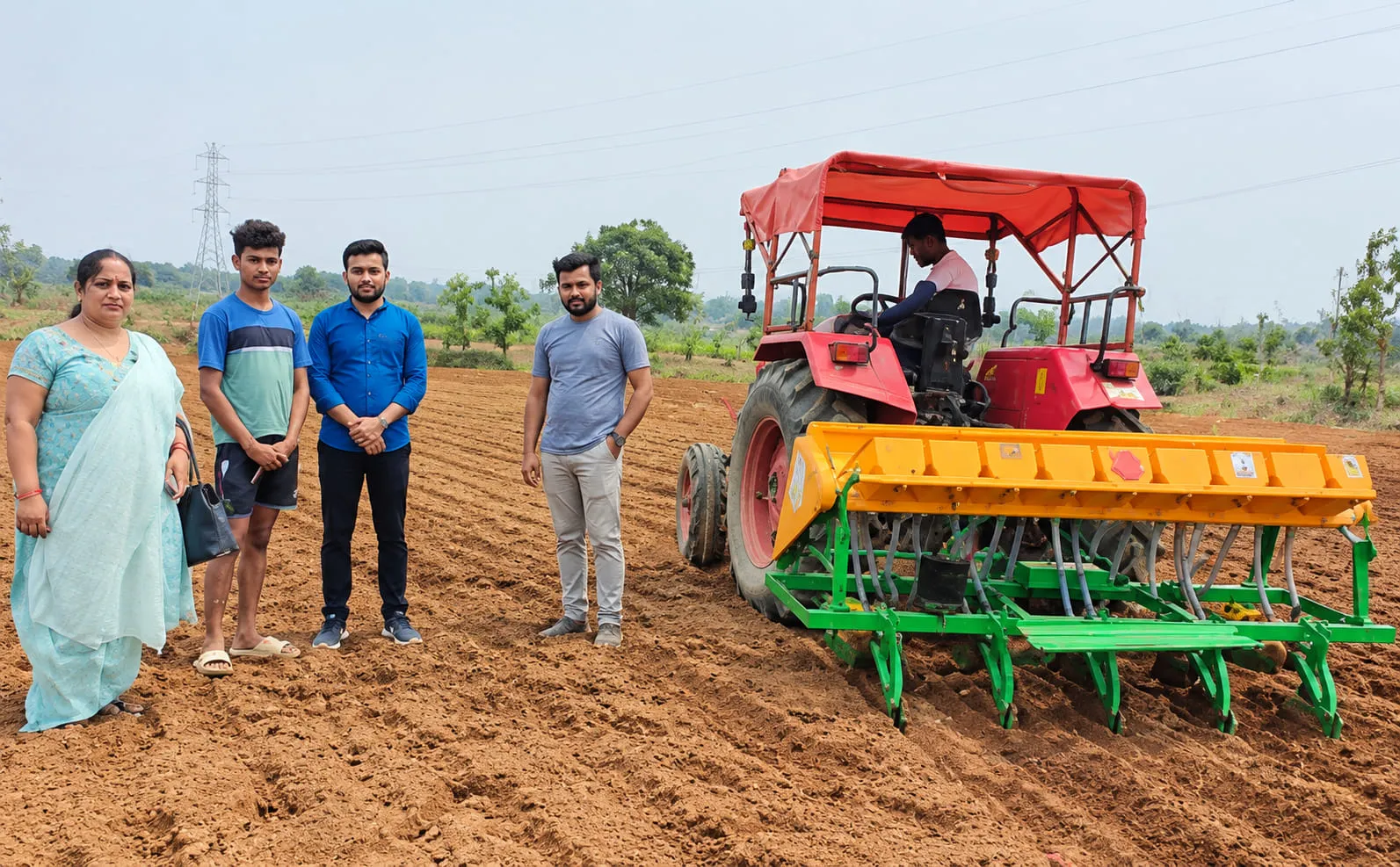
A central component is the use of tractor-mounted seed drills for direct sowing. Mechanised sowing enables timely crop establishment without conventional transplanting operations, reducing dependence on labour-intensive processes. AJKA facilitates access to the machinery and coordinates its deployment across selected clusters.
Integrated Weed Management
Because weed management is an important component of DSR cultivation, farmers receive specific training and handholding on Integrated Weed Management. This technical support is embedded within the wider programme rather than treated as a one-time training activity, helping farmers adopt DSR effectively throughout the crop cycle.
Field monitoring & technical handholding
AJKA provides regular field-level follow-up after sowing, including field visits, technical handholding, monitoring and beneficiary- and patch-wise documentation, with implementation progress coordinated with the concerned Block Agriculture Officers.
What we have learned
The programme demonstrates that successful DSR adoption depends on more than introducing machinery.
The Annual Activity Report identifies early farmer mobilisation, inclusive beneficiary selection, stakeholder coordination, timely machinery availability, focused capacity building and cluster-based implementation as critical factors.
The intervention also strengthened farmer awareness of water-saving and climate-resilient farming practices, while reducing dependence on labour-intensive cultivation operations.