- Groundwater depth below ground level
- 24 ft → 18 ftGroundwater depth below ground level
- Rise in water table
- 6 ftRise in water table
- Watershed projects
- 2Watershed projects
With support from NABARD, AJKA is implementing the Jharan Watershed and Girigobardhan Project in Lakhanpur Block, Jharsuguda District. The interventions have contributed to an improvement in groundwater depth from approximately 24 ft to 18 ft below ground level.
The programme combines watershed development with agriculture, livelihoods, livestock, nutrition and community institution building to strengthen the ecological and economic resilience of rural households.
The challenge
The project area has faced interconnected challenges including declining groundwater availability, water scarcity, low agricultural productivity, limited livelihood diversification, livestock health concerns and nutritional insecurity.
These constraints directly affect household resilience, particularly where agriculture and rural livelihoods depend heavily on local water and natural resources. The programme therefore adopts an integrated watershed approach rather than treating water scarcity as a standalone infrastructure issue.
How the programme works
Groundwater recharge & water conservation
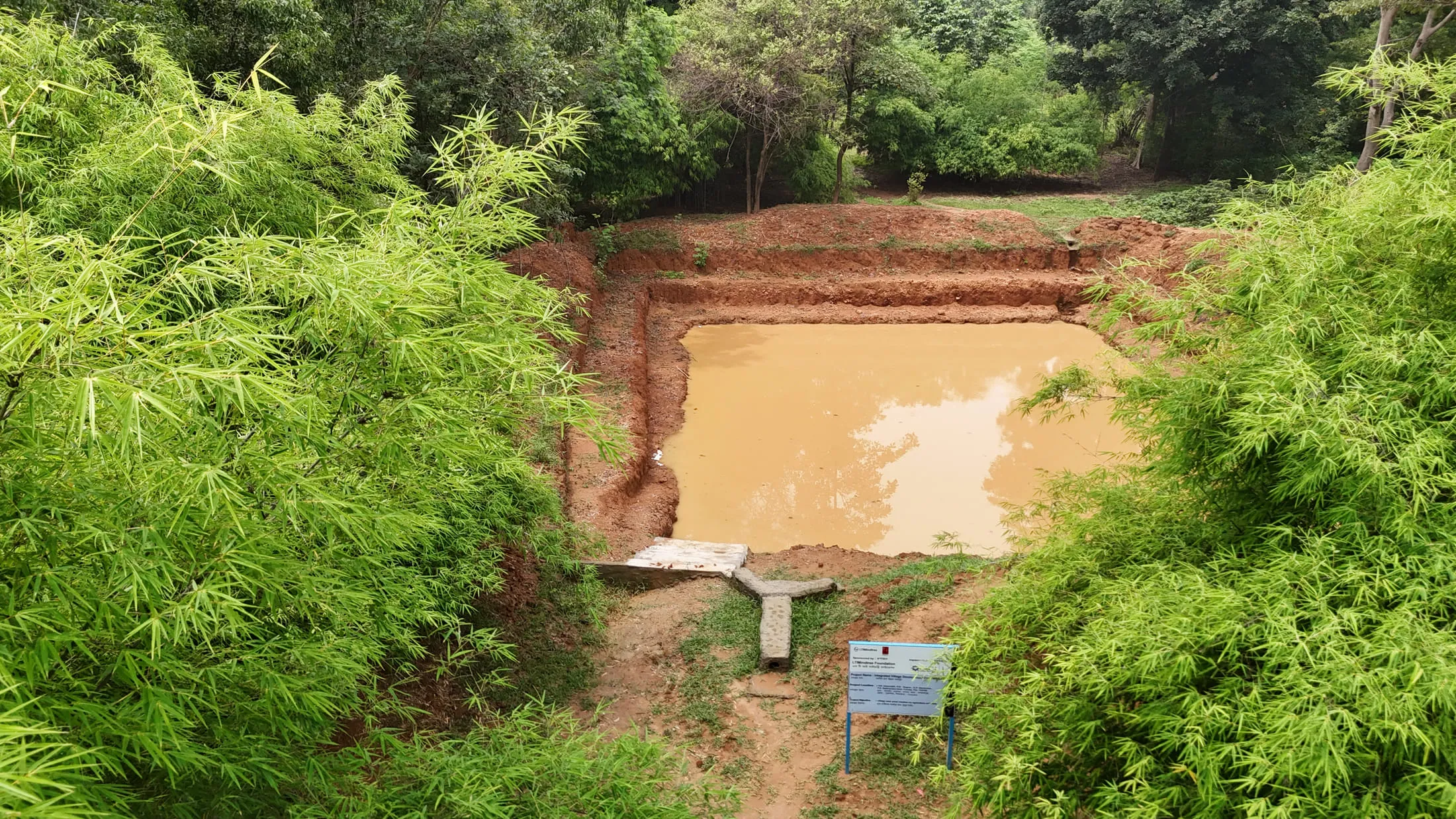
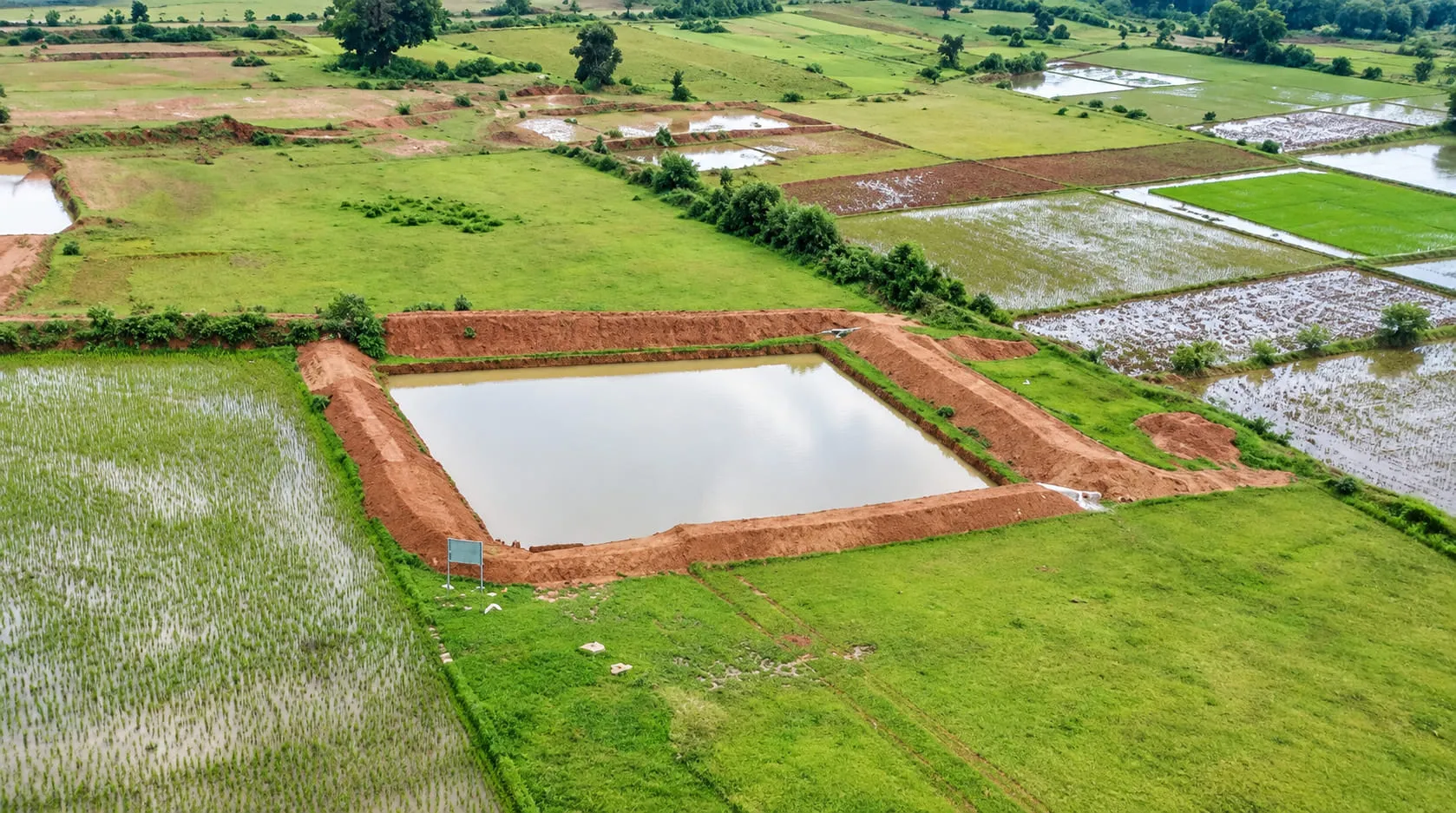
The programme focuses on improving groundwater recharge and augmenting local water resources through rainwater conservation, watershed-based interventions and improved management of surface runoff. The aim is to retain more water within the landscape and strengthen groundwater availability for agriculture and household needs.
Soil & water conservation
Appropriate watershed and drainage-line treatment measures conserve soil and water resources. These interventions form the ecological foundation of the programme, helping improve water retention and strengthen the productive capacity of the landscape.
Climate-resilient agriculture
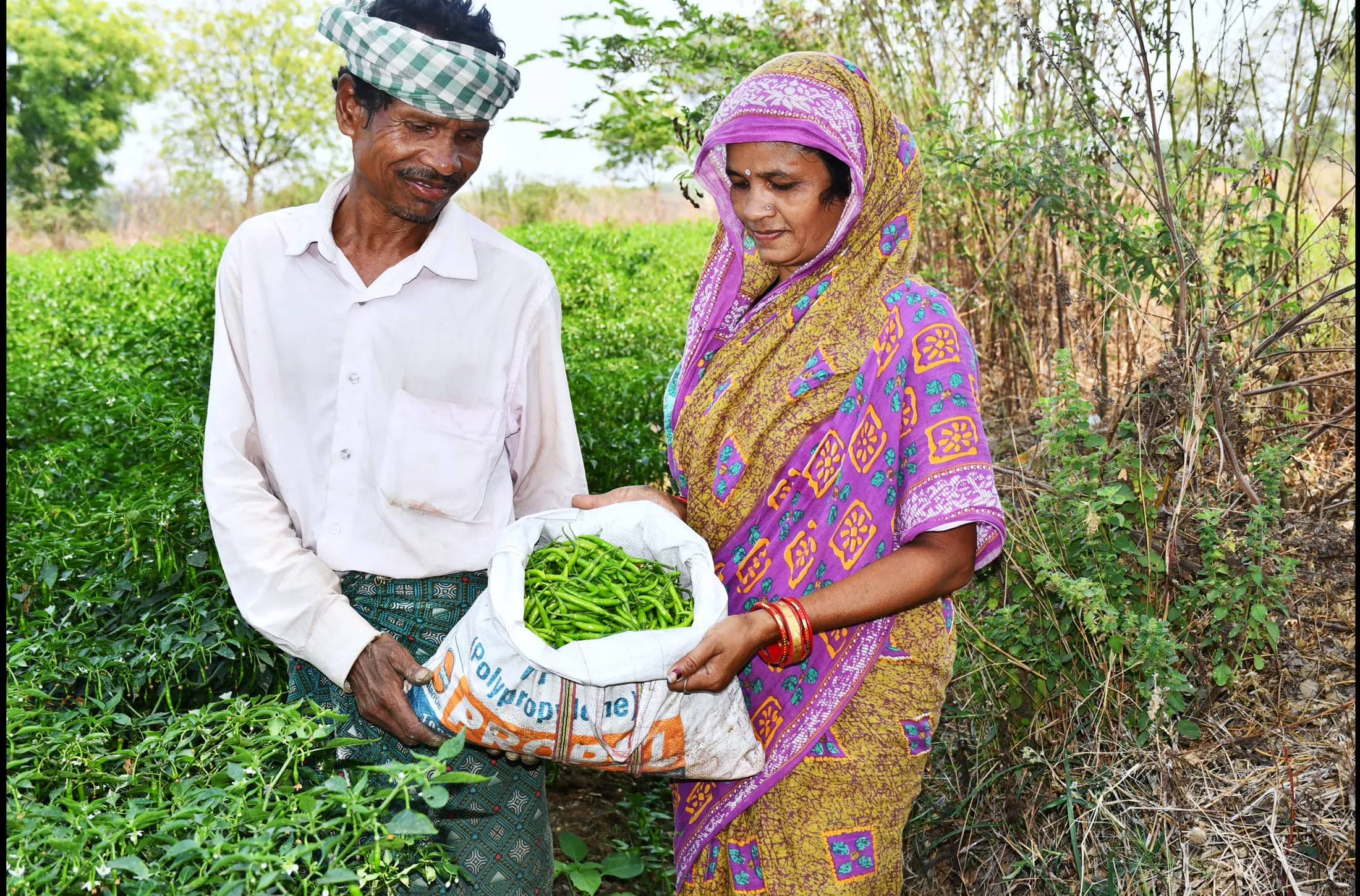
Water security is linked with efforts to promote diversified and climate-resilient agriculture. The programme supports crop planning and sustainable agricultural practices aimed at improving productivity and farm income while reducing vulnerability to water stress.
Efficient irrigation & water management
Efficient use of available water is another key component. The programme promotes technologies and practices such as drip irrigation, crop planning and water budgeting, helping farming households use water resources more efficiently.
Livelihood diversification
Watershed development is connected with livelihood promotion, particularly for women, SHG members and marginal households. By linking natural-resource improvement with diversified livelihood opportunities, the programme strengthens economic resilience alongside ecological restoration.
Livestock & nutrition
The programme addresses household resilience through livestock and nutrition-sensitive interventions, promoting improved livestock management and breeds alongside nutrition-sensitive agriculture and kitchen gardening to support household nutritional security.
Community institutions & ownership
Long-term watershed management depends on local institutions. The programme strengthens community ownership of watershed assets, RF–WDF governance and collective decision-making, helping communities participate in the long-term management of natural resources.
What we have learned
The programme demonstrates that effective watershed development can create benefits well beyond soil and water conservation. When groundwater recharge is integrated with natural-resource management, climate-resilient agriculture, livelihood diversification and community institutions, the benefits extend to both the ecological and economic resilience of rural households.
The improvement in groundwater depth also shows the value of sustained watershed interventions rather than isolated water-harvesting structures. Better recharge and retention strengthens access to water for agriculture and household needs, while creating a stronger base for livelihoods.