- Government schools
- 17Government schools
- Additional teachers
- 19Additional teachers
- Blocks covered
- 2Blocks covered
- Core subjects — Mathematics, Science, English
- 3Core subjects — Mathematics, Science, English
- Primary-level academic focus
- FLNPrimary-level academic focus
During FY 2025-26, the project engaged 11 additional teachers across nine Government schools in Hemgir Block and eight teachers across eight schools in Lakhanpur Block — 19 teachers across 17 schools in total.
The project was designed to strengthen education in rural Government schools by supplementing the existing teaching workforce and improving the overall teaching-learning environment.
The challenge
Rural Government schools in the project areas faced teacher shortages and gaps in academic support, affecting the ability of schools to give adequate attention to students.
The challenge was particularly significant in core subjects such as Mathematics, Science and English, while younger students also required stronger support in Foundational Literacy and Numeracy.
VIDYA responds by placing additional teachers in selected schools and combining this human-resource support with remedial education, classroom engagement, community participation and regular monitoring.
How the programme works
Strengthening the teaching workforce
The core intervention is the deployment of additional teachers to schools experiencing staffing constraints.
In Hemgir Block, 11 teachers were engaged across nine Government schools from April 2025. In September 2025, the project expanded to Lakhanpur, engaging eight additional teachers across eight schools. Their presence helped stabilise the student-teacher ratio and enabled greater attention to students affected by teacher shortages.
Subject-specific academic support
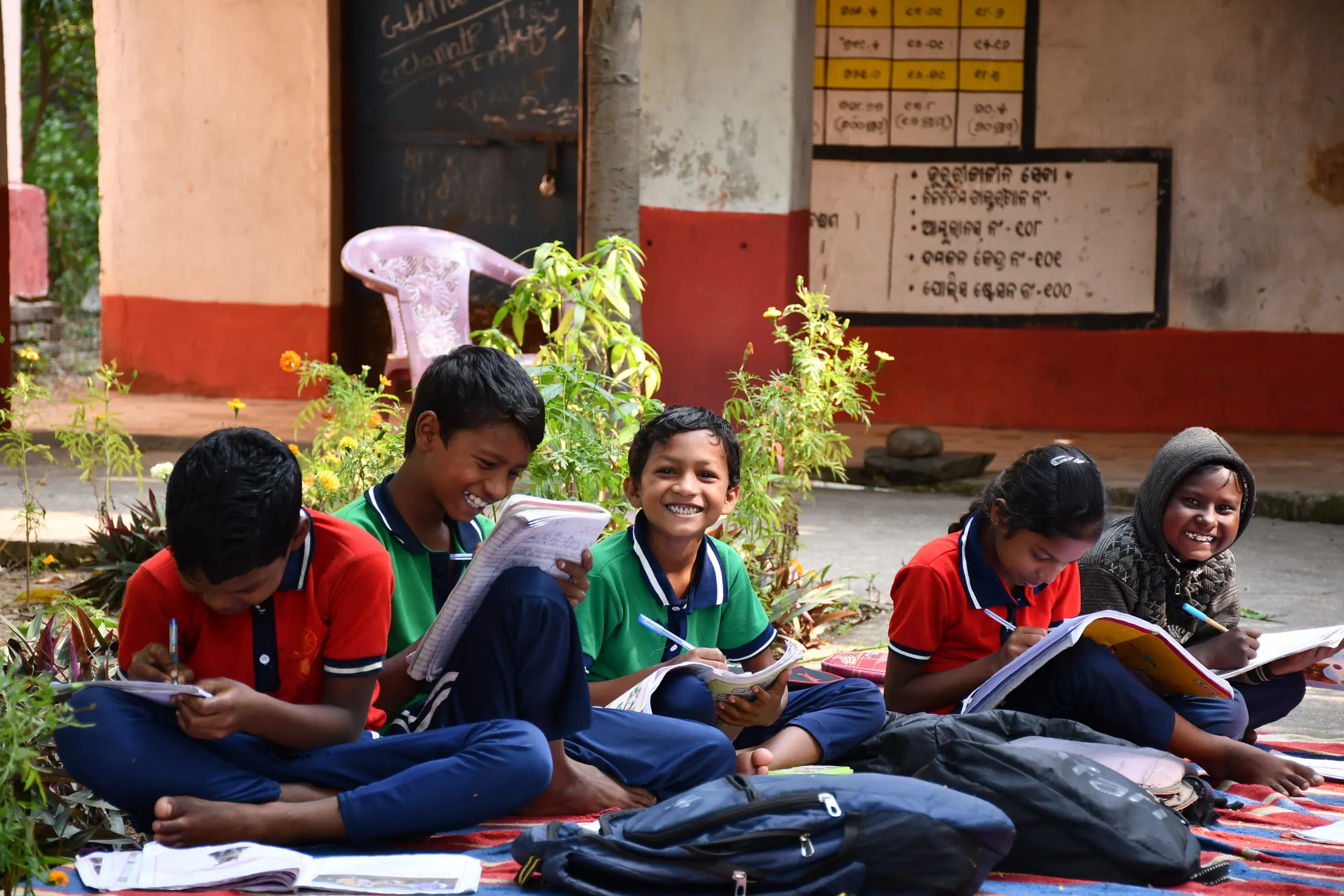
Additional teachers provide focused support in Mathematics, English and Science, particularly at the upper-primary and secondary levels. At the primary level, the programme places special emphasis on Foundational Literacy and Numeracy, helping strengthen essential learning foundations.
Remedial learning
Teachers identify students who require additional academic assistance and conduct small-group remedial classes to address specific learning gaps. This enables students who are falling behind to receive focused support rather than relying entirely on regular classroom instruction.
Holistic student development
The additional teachers contribute beyond subject teaching. They participate in morning assemblies, cultural activities and awareness programmes, helping create a more participatory and supportive school environment and contributing to students’ broader development.
School-community linkages
Teachers engage with School Management Committees and parents to share feedback on student progress. These interactions strengthen communication between schools and communities and encourage greater stakeholder participation in children’s education.
Monitoring & continuous improvement
AJKA follows a structured monitoring mechanism through regular communication with teachers, feedback from SMCs and monthly one-to-one telephonic review meetings. The reviews help identify classroom-level challenges, provide guidance to teachers and inform subsequent project interventions.
What we have learned
The project demonstrates that addressing teacher shortages is most effective when additional human resources are combined with focused academic support, remedial education, activity-based teaching, community engagement and regular monitoring.
Additional teachers reduce pressure on the existing Government teaching workforce while also making it possible to identify and support students who need more individual attention. The combination creates a more responsive learning environment rather than treating staffing as an isolated issue.